
Saturday and Sunday - CLOSED30 Devonshire Street
Marylebone
London W1G 6PU
Complications Hip Surgery
Hip replacement surgery is one of the most quality of life improving operations that exist in modern surgery. Despite this, the operation is still a major operative intervention and complications can occur. Notable complications although uncommon, are as follows:
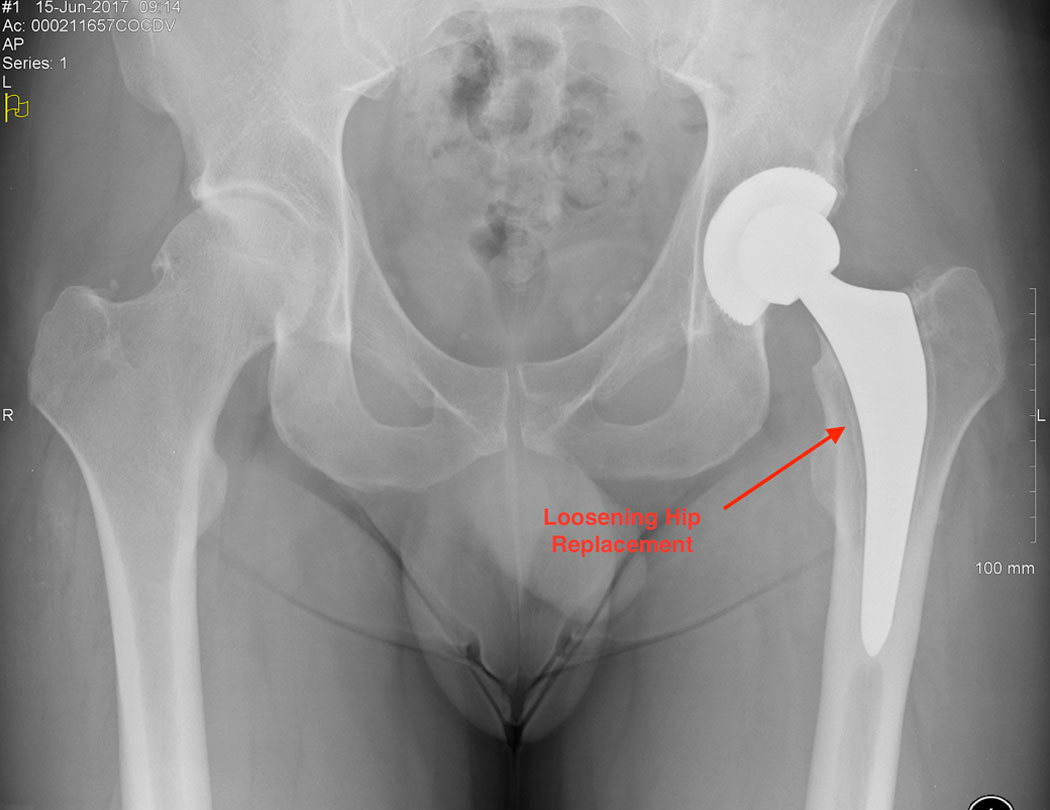
Loosening Hip Replacement
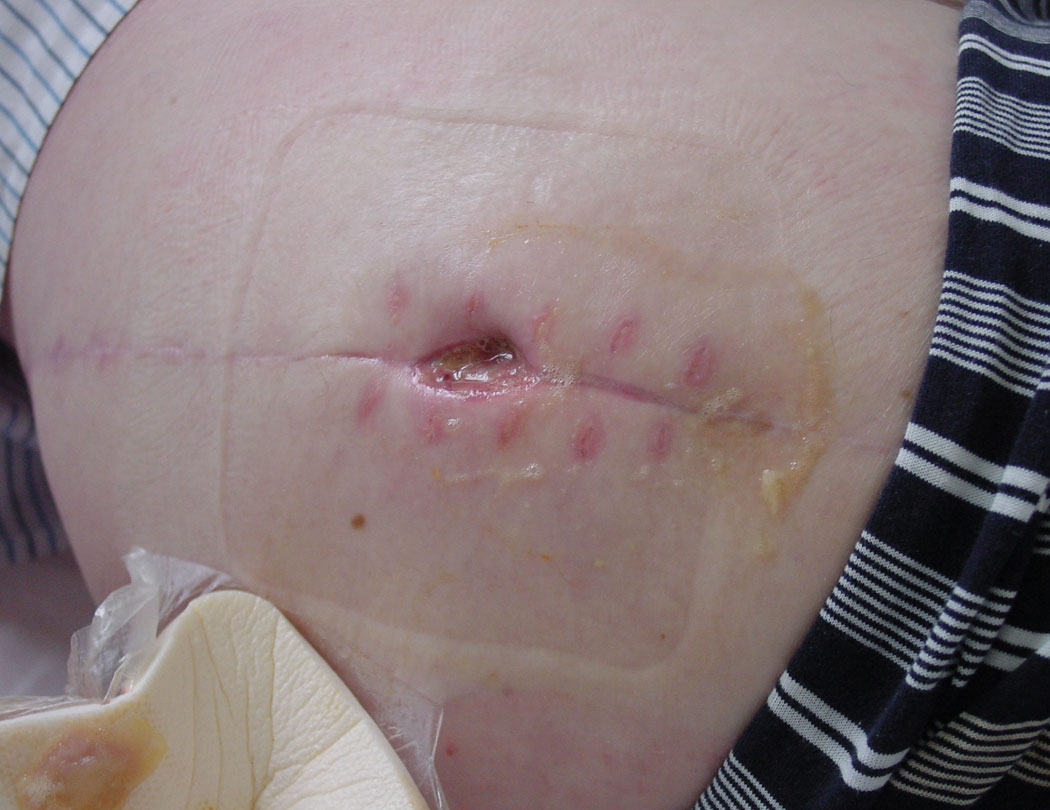
Infected Hip Wound
Hip Replacement Infections
Introducing foreign materials into the body is associated with a higher infection rate. Thankfully using clean air laminar air flow operating rooms, antibiotics and relatively atraumatic surgical techniques; infection is very uncommon and often quoted at 1%.
Methacillin Resistant Staphyloccus Aureus (MRSA) infection is one type of bacteria that can cause an infection. Thankfully the rate of MRSA infection in hip replacement surgery is rare, and occurs in less than one percent of cases.
Limb Length Discrepancy
Many patients with osteoarthritis of the hips have one leg shorter than the other, although they may not notice it. At the time of hip replacements surgery, the surgeon always tries to balance the hip and restore leg lengths, if at all possible. In the vast majority of cases, leg length can be restored to within 1 cm of difference (a difference patient cannot notice). Unfortunately on rare occasions, the leg length discrepancy may be greater than this despite using calipers (rulers) during the operation.
Thrombosis / Clot Formation
During any anaesthetic operative procedure there is a risk of clots developing. This risk is heightened in hip and knee surgery. Using early mobilization, drugs and devices to reduce the blood’s ability to form thrombus (clots), significant thrombosis is thankfully uncommon.
Hip Dislocation
Occasionally, a ball of the hip joint may pop out of its socket. This is known as a dislocation. The man-made hip replacement currently has to have a smaller head in diameter, than the natural hip. As a consequence, it is more unstable than the natural hip.
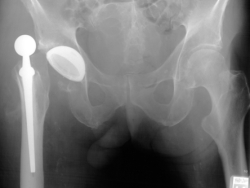
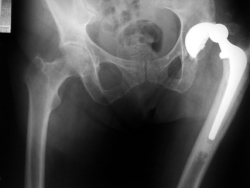
Pictures of Hip Dislocations
The hip may dislocate if components have been malpositioned; the hip has been put into an extreme position, particularly early after surgery; and if the muscle control of the hip is poor. Thankfully, dislocation should be a rare complication, but can occur in 3% of cases.
How Long Do Hip Replacements Last?
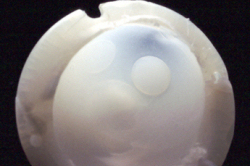
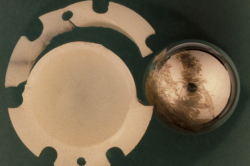
Pictures of Hip Replacement Polythene Wear
The majority (greater than 90%) of well implanted and researched hip replacements should last at least 15 years. Unfortunately on occasions the hip can loosen, wear, dislocate or get infected. This often results in symptoms of pain for the patient, who has previously had a successful hip replacement. Such hip replacements often and invariably require revising (repeat surgery).
» Read more about Revision Hip Replacement