|
|
Knee Injuries
|
> Knee Injuries
Knee Injuries, London
The Knee
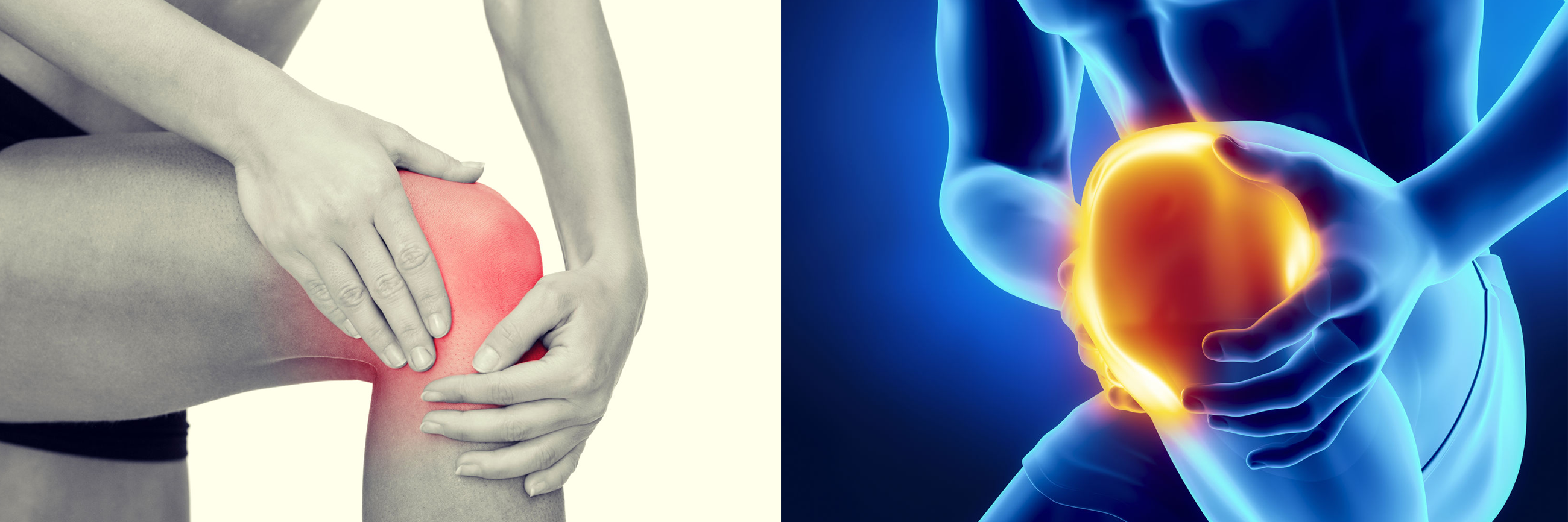
The knee is a complex hinge joint, made up of complex bone, ligaments and cartilage.
Symptoms affecting a patient can occur by injury or disease such as arthritis affecting
these structures.
Knee Injuries
There are a number of possible knee injuries which patients can suffer from including:
Symptoms of each of these knee injuries are described below.
Knee Cartilage Injuries
There are two major types of cartilage in the knee. One form of cartilage covers
the surface of the bone that forms part of the joint, this is called hyaline cartilage.
Another type of cartilage found in the knee is fibrocartilage which forms the disc
shaped material that lies between the ends of each bone (meniscus). There are two
menisci, one on the inside of the knee (medial) and one on the outside of the knee
(lateral). The menisci are in a C shaped disc, they serve to cushion and improve
the surface area of contact between the relatively curved shaped surface of the
femur (end of the thigh bone) and the relatively flat surface of the tibia (top
of the shin bone).
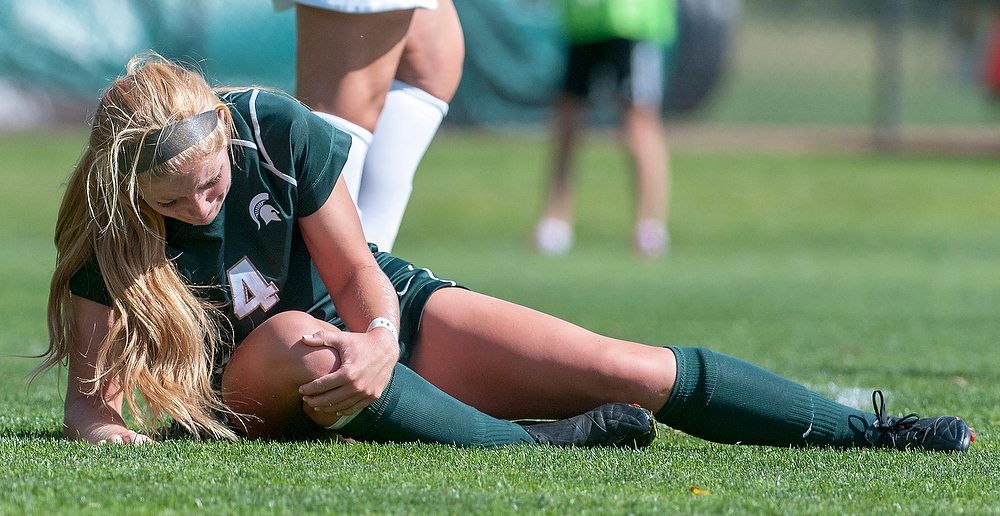
Tears of the meniscus are more common following an injury than tears of the cartilage
that lines the bone (hyaline). Meniscal tears often can cause symptoms of pain in
the knee associated with swelling, occasionally they can be associated with locking
of the knee or jamming and can also cause the knee to suddenly give way.
Tears of the hyaline cartilage can occur but are less common.
Other soft tissue injuries can occur in following an injury. The patella tendon
and quadriceps tendon may have tears to it as can the ligaments which hold the knee
cap in place.
Knee Ligament Injuries
Ligaments are rope like structures that connect one bone to another. Their purpose
is to provide stability for joints as they move.
Ligaments can be sprained (a partial tear) or they can be completely ruptured (a
complete tear). Common knee ligament injuries occur after ski injuries and sports
injuries.
The medial collateral ligament (MCL) is a ligament connecting the femur (thigh bone)
to the tibia (leg bone). This is a strong ligament on the inside of the knee that
is commonly injured in twisting injuries.
The anterior cruciate ligament (ACL) also connects the femur and the tibia along
with the posterior cruciate ligament. The two cruciate ligaments are deep in the
knee and cross each other. The anterior cruciate ligament is the more commonly injured
of the two cruciate ligaments. It is often injured in ski injuries and sports injuries
from a twisting force applied to the knee.
Knee Arthritis
Osteoarthritis of the knee often results in pain or aching. The knee may
feel stiff particularly after periods of rest or first thing in the morning. The
pain may be diffuse or it may be localised to a certain area. Depending on where
the arthritis is, symptoms may be aggravated by certain activities such as using
stairs or walking for prolonged periods of time.
Over a prolonged period of time, the knee may have become deformed such as bow-legged
or knock-kneed or it may just appear swollen. The knee is often stiff and patients
can feel creaking in the joints.
Arthritis
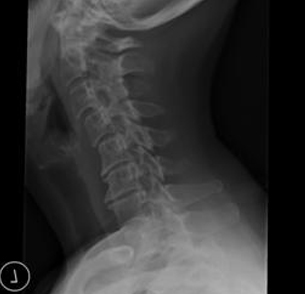
of the knee can usually be diagnosed by the doctor taking a simple history and examination
of the patient, followed by basic x-rays.
Depending on the symptoms and the patient, treatment is tailored to meet individual
patient needs. This can include activity modification, pain killing tablets, key
hole surgery, and joint replacement surgery.
Knee Pain Symptoms
Problems from the knee give rise to symptoms such as pain, swelling, instability,
catching difficulty negotiating stairs and stiffness. Symptoms of knee pain or instability
can occur, if the knee has been injured or affected by disease such as arthritis.
Following a knee injury, ligaments, tendon, cartilage and even the bone may be damaged.
Occasionally the components of the knee, such as the patella (knee cap) may not
glide in the correct position as the knee moves (patella maltracking) this too can
cause symptoms of knee pain and instability.
Knee pain and instability can also arise from disease processes such as arthritis.
» Read more about the various Knee Surgery options.
|
|